In the ever-evolving world of technology and digital connectivity, a new frontier has emerged, captivating the imaginations of tech enthusiasts, futurists, and investors alike. This frontier is none other than the Metaverse – a vast, immersive, and interactive digital universe that promises to redefine our perception of reality.
The Metaverse, a term coined from science fiction, is essentially the convergence of virtually enhanced physical reality and physically persistent virtual reality. It’s an amalgamation of multiple online spaces that use the same virtual universe, offering unparalleled opportunities for social interaction, e-commerce, and entertainment.
But what breathes life into this exciting digital cosmos? The answer lies in the innovative power of cryptocurrency and blockchain technology. Crypto assets, particularly those associated with the Metaverse, are revolutionizing the way we interact, transact, and exist within this digital realm.
This article aims to provide a comprehensive exploration of the Metaverse, focusing on the integral role of cryptocurrency in its functionality and growth. Whether you’re a seasoned crypto investor or a curious newcomer, understanding the Metaverse and its symbiosis with crypto could provide valuable insights into the future of the web, digital economies, and beyond. So, let’s dive into the captivating world of Metaverse crypto!
Understanding the Metaverse
The Metaverse is a collective virtual shared space, created by the convergence of virtually enhanced physical reality and physically persistent virtual reality. It is a space where users can interact with a computer-generated environment and other users. This digital reality is not restricted to being a 3D virtual world; it also encompasses augmented reality (AR), websites, and other digital platforms.
The Evolution from Web 2.0 to Web 3.0
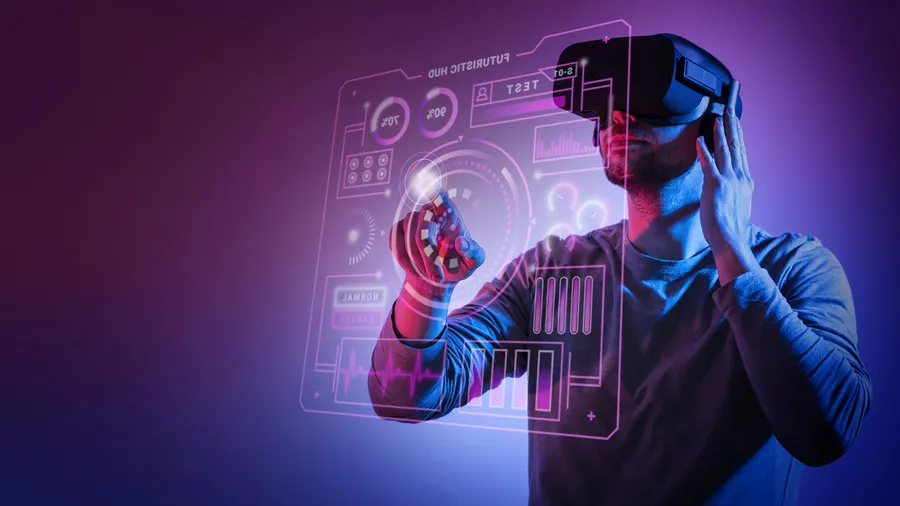
Web 2.0 refers to the interactive, social web that we’re familiar with today. It’s characterized by user-generated content, interoperability, and information sharing. While Web 2.0 revolutionized how we communicate, it’s not without its limitations, including data privacy concerns and the monopolization of data by large tech companies.
Web 3.0, or the semantic web, aims to create a web environment where machines can read web pages much as we humans can. It’s a more intelligent, connected version of the internet, integrating technologies like AI, blockchain, and data mining.
The Metaverse is considered part of the Web 3.0 evolution. It takes the internet’s connectivity and interactivity to a new level, creating a fully immersive digital experience.
Metaverse vs. the Traditional Internet
The traditional internet is a network of information, where users can access and contribute content. However, it lacks the depth and interactivity of the Metaverse.
In contrast, the Metaverse is an immersive 3D internet, where users can interact with digital environments and other users in real-time. Here, the line between the digital and the physical blurs.
More importantly, the Metaverse is a decentralized space. Thanks to blockchain technology, users have greater control over their data and assets, unlike the traditional internet’s centralized platforms. This decentralization is a core principle of the Metaverse and a key factor driving its development.
The Intersection of Metaverse and Cryptocurrency
Cryptocurrencies serve as the lifeblood of the Metaverse. They facilitate transactions, represent ownership of virtual assets, and reward user participation. By using a universal digital currency, the Metaverse allows seamless economic interaction across its vast ecosystem.
In the Metaverse, cryptocurrencies can be used to purchase virtual goods and services, from digital real estate to unique avatar outfits. They also enable the creation and trading of NFTs (Non-Fungible Tokens), which serve as proofs of ownership for unique items or assets in the digital realm.
Role of Blockchain and Decentralization in the Metaverse
Blockchain technology and decentralization play crucial roles in shaping the Metaverse. Blockchain provides the necessary infrastructure to create a decentralized Metaverse where users maintain control of their data and assets. This contrasts starkly with the centralized control seen in today’s internet, where a handful of tech companies have disproportionate control and influence.
Moreover, blockchain enables the tokenization of digital assets, allowing users to own, buy, and sell items with real-world value. Blockchain’s transparency and security features also build trust among users, an essential aspect of a thriving digital economy.
Use Cases of Crypto in the Metaverse
The use of cryptocurrencies in the Metaverse is diverse and continually evolving. Here are a few use cases:
- Transactions: Similar to the real world, cryptocurrencies are used for transactions, such as buying goods and services, in the Metaverse.
- Ownership and Trading of Digital Assets: Cryptocurrencies enable the creation of NFTs, representing unique digital assets like virtual real estate, artwork, or collectibles. Users can buy, sell, or trade these assets, often at substantial values.
- Incentivization and Rewards: Cryptocurrencies serve as incentives for user participation. Users can earn tokens by contributing to the community, such as by creating content, providing services, or participating in games and events.
- Governance: Some Metaverse projects issue governance tokens, allowing holders to vote on key decisions about the platform’s future, reinforcing the sense of user ownership and control.
Exploring Crypto in the Metaverse: Key Concepts
NFTs: Owning Virtual Assets
Non-Fungible Tokens (NFTs) represent a revolutionary application of blockchain technology in the Metaverse. Unlike cryptocurrencies like Bitcoin or Ethereum, which are fungible and identical to each other, NFTs are unique digital tokens. They can represent ownership of a particular item or asset within the Metaverse, such as a piece of virtual real estate, an avatar outfit, or a digital artwork.
The ownership information of these virtual assets is stored on the blockchain, ensuring transparency, security, and immutability. Users can buy, sell, or trade NFTs, often at substantial values, on various digital marketplaces. NFTs bring real-world property rights to the virtual world, fueling the digital economy of the Metaverse.
Decentralized Finance (DeFi): Financial Services in the Metaverse

Decentralized Finance, or DeFi, refers to the application of blockchain technology to recreate and improve upon traditional financial systems, such as lending, borrowing, and trading, in a decentralized and transparent manner. In the Metaverse, DeFi can provide financial services to users without the need for intermediaries like banks or brokers.
For instance, users can lend their cryptocurrencies to earn interest, borrow funds by collateralizing their digital assets, or trade tokens on decentralized exchanges. Smart contracts on the blockchain automate these processes, ensuring trust and efficiency. DeFi is set to play a significant role in the financial ecosystem of the Metaverse.
DAOs: Governance in the Metaverse

Decentralized Autonomous Organizations (DAOs) represent a new form of organization governed by rules encoded in smart contracts on the blockchain. DAOs enable collective decision-making in a transparent and democratic manner.
In the context of the Metaverse, DAOs allow users to participate in governance by voting on key decisions about the platform’s future. Some Metaverse projects issue governance tokens, which holders can use to vote on proposals. This empowers users and reinforces the sense of community ownership and control in the Metaverse.
Top Metaverse Cryptocurrencies
- Decentraland (MANA): Decentraland is a virtual reality platform powered by the Ethereum blockchain. Users can create, explore, and trade in this virtual world. The native currency, MANA, is used for transactions within Decentraland.
- Axie Infinity (AXS): Axie Infinity is a Pokemon-inspired digital pet universe where players can earn tokens by playing the game. AXS is the governance token of Axie Infinity, allowing holders to vote on key decisions about the game’s future.
- The Sandbox (SAND): The Sandbox is a user-generated content platform where players can create, own, and monetize their gaming experiences. The SAND token is used for transactions within this virtual world.
- CryptoVoxels (ETH): CryptoVoxels is a user-owned virtual world powered by the Ethereum blockchain. Players can buy land and build upon it with a wide array of tools and items. Transactions are conducted in ETH.
- Star Atlas (ATLAS): Star Atlas is a grand strategy game of space exploration, territorial conquest, and political domination. The ATLAS token serves as the in-game currency.
Use Cases and Unique Selling Points
Each of these Metaverse crypto projects has unique selling points:
- Decentraland: Allows users to control the virtual environment. They can buy land, build upon it, and monetize their creations.
- Axie Infinity: Combines gaming and digital collectibles. Players can breed, battle, and trade Axies (digital pets).
- The Sandbox: Provides tools for players to create their own interactive 3D games. It also has partnerships with major brands.
- CryptoVoxels: Emphasizes simplicity and ease-of-use. Its 3D world can be built and explored directly in a web browser without any downloads.
- Star Atlas: Focuses on high-quality graphics and immersive gameplay. It promises a deep, multi-layered gaming experience in a visually stunning cosmic Metaverse.
Where You Can Buy Metaverse Tokens?
Here you will find the list of crypto exchanges, where you can buy tokens of metaverse projects.


Investing in Metaverse Cryptocurrencies: Risks and Rewards
The Metaverse, as an emerging technology, holds significant potential for growth. Much like the early days of the internet, it is a relatively unexplored frontier with endless possibilities. As such, investing in Metaverse cryptocurrencies could yield substantial returns if the technology and its applications gain widespread acceptance.
Several Metaverse projects have already demonstrated impressive growth. For example, Decentraland’s MANA and Axie Infinity’s AXS have seen their values surge as their respective platforms gain users and recognition.
Additionally, as more businesses, developers, and users become involved in the Metaverse, the demand for and value of these currencies could increase.
Challenges and Risks of Investing in Metaverse Cryptos
However, investing in Metaverse cryptocurrencies is not without its risks. The technology is still in its nascent stages, and much is uncertain about its future. Will it become the next big thing, like the internet or smartphones, or will it fizzle out as a passing fad? The outcome is unknown, making such investments speculative and risky.
Moreover, the Metaverse and its associated cryptocurrencies are subject to regulatory risks. As a new technology, it’s still unclear how laws and regulations will evolve to address it.
Lastly, the Metaverse cryptocurrency market is highly volatile, with prices capable of drastic swings in short periods. This volatility can lead to significant financial loss if not properly managed.
In conclusion, while investing in Metaverse cryptocurrencies can offer substantial potential returns, it also comes with significant risks. As with any investment, thorough research and due diligence are critical before diving in. You have to also remember about crypto scams.
The Future of the Metaverse and Crypto
The Metaverse is evolving quickly, and several key trends are beginning to emerge. A dominant trend is the growing convergence of virtual and physical reality. In the future, we can expect to see the Metaverse incorporate more elements of our physical world, creating a seamless blend of the two.
Additionally, social interaction is becoming a cornerstone of the Metaverse. Platforms such as Facebook’s Horizon Workrooms are already testing the waters for virtual meetings and social events. This trend is likely to continue, with the Metaverse becoming a new social hub where people can interact and engage in shared experiences.
Furthermore, the Metaverse is expected to be a major player in the entertainment industry. Virtual concerts, games, and other forms of entertainment are becoming more prevalent, offering unique experiences that are not possible in the physical world.
How Crypto Could Shape the Future of the Metaverse
Crypto is poised to play a pivotal role in the development of the Metaverse. The decentralization offered by blockchain technology aligns well with the vision of an open and shared Metaverse.
Cryptocurrencies could become the primary means of transaction in the Metaverse, facilitating commerce in this new virtual world. Cryptocurrencies’ global and borderless nature makes them ideal for a Metaverse that connects people across geographical boundaries.
Non-fungible tokens (NFTs) can serve as proof of ownership for virtual assets, such as digital real estate, art, or collectibles in the Metaverse. This will allow users to buy, sell, and trade virtual goods in a transparent and secure manner.
Moreover, decentralized finance (DeFi) and decentralized autonomous organizations (DAOs) can introduce new ways of managing finances and governance in the Metaverse, fostering a truly decentralized and democratic virtual world.
In conclusion, crypto and the Metaverse are two revolutionary technologies that can amplify each other’s potential. Together, they could redefine our digital lives and create new economic and social possibilities.
Conclusion: Navigating the Crypto Metaverse
As we step into the era of the Metaverse, the fusion of the digital and physical realms is becoming more intertwined than ever before. This future, rich in potential and possibilities, holds significant promise for the world of cryptocurrencies. The decentralization, transparency, and inclusivity offered by cryptocurrencies align with the ethos of the Metaverse, making them natural allies in this new world order.
In navigating the crypto Metaverse, individuals will need to understand the key concepts such as NFTs, DeFi, and DAOs, and recognize the potential opportunities and challenges that come with them. As with any investment, it’s important to do thorough research and understand the risks involved.
Moreover, the Metaverse’s evolution will undoubtedly be shaped by developments in technology, regulatory environments, and societal acceptance. It’s a fascinating journey that we’re embarking on – one that requires adaptability, foresight, and a keen understanding of the interplay between crypto and the Metaverse.
While the path is filled with uncertainties, it’s clear that the Metaverse, powered by crypto, is set to redefine our understanding of digital interaction, ownership, and community. It’s a brave new world, and we’re just at the beginning of its exploration.