Cryptocurrencies have revolutionized the way we think about money and transactions, offering decentralized and borderless financial systems that operate on the blockchain. One crucial aspect of the cryptocurrency ecosystem is mining, which involves validating transactions and securing the network. While Bitcoin is the most well-known cryptocurrency, many other digital currencies, known as altcoins, have emerged with their unique features and use cases.
Crypto mining, also known as coin mining or cryptocurrency mining, has become a popular activity for individuals and businesses alike. It involves using computer hardware to solve complex mathematical problems, and in return, miners are rewarded with newly minted coins and transaction fees. This process ensures the integrity of the blockchain and enables the functioning of cryptocurrencies.
In this article, we will explore the world of crypto mining, including both Bitcoin and altcoins. We will discuss the differences between mining these two types of cryptocurrencies, the hardware and software requirements, profitability calculations (you can use for example nicehash.com/profitability-calculator), and potential risks associated with mining. Whether you’re a beginner interested in getting started with mining or an experienced miner looking to expand your operations, this article aims to provide you with valuable insights and practical guidance.
So, let’s dive into the exciting world of crypto mining and learn how you can participate in this innovative industry and potentially earn rewards by contributing to the blockchain network. But before we delve into the details, let’s first understand the fundamental concepts and mechanisms behind crypto mining.
Understanding Crypto Mining
Crypto mining, also known as coin mining or cryptocurrency mining, is the process of validating transactions and adding them to the blockchain, the decentralized ledger that powers cryptocurrencies like Bitcoin and altcoins. It plays a crucial role in the functioning and security of the cryptocurrency ecosystem.
Proof-of-Work (PoW) and Proof-of-Stake (PoS) are the two main mechanisms used in crypto mining. PoW involves solving complex mathematical problems using powerful computer hardware, while PoS requires validators to prove ownership of a certain amount of cryptocurrency to participate in the mining process.
Mining is essential for the creation of new coins and transaction processing. Miners compete to solve the mathematical problems, and the first one to solve it successfully and validate the block is rewarded with newly minted coins and transaction fees. This process helps in maintaining the integrity of the blockchain and ensures that transactions are secure and reliable.
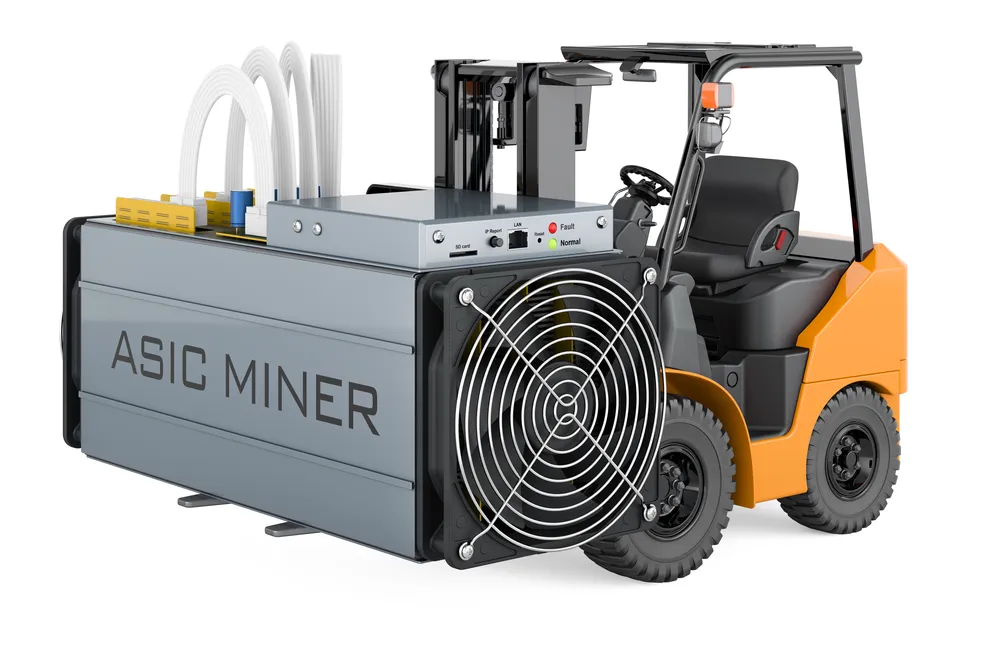
There are significant differences between mining Bitcoin and altcoins. Bitcoin uses the SHA-256 algorithm for mining, which requires specialized hardware known as Application-Specific Integrated Circuits (ASICs) to efficiently solve the mathematical problems. On the other hand, altcoins use different algorithms such as Ethash, Scrypt, and others, which can be mined using GPUs or even CPUs in some cases. This makes altcoin mining more accessible to individual miners with standard hardware.
Mining altcoins can be an attractive option for those looking to diversify their mining activities or capitalize on potentially profitable coins. However, it’s crucial to research and understand the specific algorithm, difficulty, and profitability of each altcoin before investing in mining equipment.
Getting Started with Crypto Mining
If you’re interested in joining the world of crypto mining, here are the key steps to get started:
Step 1: Choose the Right Cryptocurrency to Mine
The first step in crypto mining is to choose the right cryptocurrency to mine. Bitcoin is the most well-known and valuable cryptocurrency, but there are numerous altcoins that may offer different mining opportunities. It’s essential to research and understand the potential profitability, market demand, and technical aspects of the cryptocurrency you intend to mine. Factors such as the current market price, mining difficulty, and block reward should be considered when selecting a cryptocurrency to mine.
Tip: You can use whattomine.com to found some ideas.
Step 2: Select the Right Hardware
The hardware you choose will depend on the cryptocurrency you intend to mine. Bitcoin mining requires specialized ASICs, while altcoin mining may involve different types of hardware, such as GPUs (Graphics Processing Units) or CPUs (Central Processing Units). Research and select the right hardware that offers optimal mining performance and energy efficiency within your budget.
Step 3: Set Up a Mining Rig
Once you have chosen your cryptocurrency and hardware, the next step is to set up a mining rig. This involves assembling the hardware components, connecting them to a power supply, and installing the necessary software, such as mining software and a crypto wallet to store your mined coins. Proper ventilation and cooling are also crucial to prevent overheating and ensure the stable operation of your mining rig.
Step 4: Join a Mining Pool
Mining solo can be challenging and may not be profitable for most miners due to the high mining difficulty of many cryptocurrencies. Joining a mining pool can increase your chances of earning rewards. In a mining pool, miners work together to mine blocks, and rewards are distributed based on each miner’s contribution. Research and choose a reliable mining pool with a good track record and reasonable fees.
Step 5: Monitor and Optimize Your Mining Operations
Mining is an ongoing process that requires constant monitoring and optimization to maximize profitability. Keep track of your mining operations, including hash rate, power consumption, and mining rewards. Optimize your mining settings, such as adjusting the mining software, hardware settings, and pool configurations, to improve your mining performance and profitability.
Step 6: Stay Informed and Adapt to Market Changes
The cryptocurrency market is highly volatile, and mining profitability can fluctuate based on various factors, such as market price, mining difficulty, and network congestion. Stay informed about the latest market trends and adapt your mining operations accordingly. Regularly evaluate your mining profitability and adjust your strategies as needed to stay competitive in the mining industry.
Step-by-Step Guide to Mining Bitcoin
Mining Bitcoin involves solving complex mathematical problems to validate transactions and create new blocks in the blockchain.
Here is a step-by-step guide to mining Bitcoin:
Step 1: Choose the Right ASIC Miner
To mine Bitcoin, you will need an ASIC (Application-Specific Integrated Circuit) miner specifically designed for Bitcoin mining. There are numerous ASIC manufacturers in the market, each offering different models with varying hash rates, power consumption, and prices. Research and select a reliable and reputable ASIC miner that offers optimal mining performance and fits within your budget.
Step 2: Set Up Your Mining Hardware
Once you have chosen your ASIC miner, the next step is to set up your mining hardware. Follow the manufacturer’s instructions to assemble and connect your ASIC miner to a power supply and internet connection. Proper ventilation and cooling are crucial to prevent overheating and ensure the stable operation of your mining hardware.
Step 3: Install Mining Software
After setting up your mining hardware, you will need to install mining software on your mining rig. Mining software is used to communicate with the Bitcoin network, manage your mining operations, and connect to a mining pool. There are various mining software options available, such as CGMiner, BFGMiner, and EasyMiner. Choose a mining software that is compatible with your ASIC miner and follow the installation instructions provided by the software.
Step 4: Join a Mining Pool
Mining Bitcoin solo can be challenging due to the high mining difficulty, so joining a mining pool is recommended. In a mining pool, miners work together to mine blocks, and rewards are distributed based on each miner’s contribution. Research and choose a reputable mining pool with a good track record and reasonable fees. Follow the mining pool’s instructions to register an account, configure your mining software, and start mining with your ASIC miner.
Step 5: Monitor and Optimize Your Mining Operations
Once your mining operations are up and running, it’s important to monitor and optimize your mining performance. Keep track of your mining operations, including hash rate, power consumption, and mining rewards. Optimize your mining settings, such as adjusting the mining software configurations and pool settings, to improve your mining performance and profitability.
Step 6: Secure and Manage Your Bitcoin Wallet
As you mine Bitcoin, you will earn mining rewards in the form of newly minted Bitcoins. It’s crucial to secure and manage your Bitcoin wallet, where you store your mined coins. Follow best practices for securing your Bitcoin wallet, such as using strong passwords, enabling two-factor authentication, and keeping your wallet software up-to-date. Regularly backup your wallet to protect your Bitcoin holdings.
Step-by-Step Guide to Mining Altcoins

Altcoins, or alternative cryptocurrencies, are digital currencies that are not Bitcoin. Mining altcoins can be a profitable venture, and here is a detailed step-by-step guide on how to mine altcoins, such as Ethereum, Litecoin, and other popular altcoins:
Step 1: Choose the Right Mining Hardware
Similar to Bitcoin mining, the first step in mining altcoins is to select the right mining hardware. The type of mining hardware you need depends on the specific altcoin you want to mine, as different altcoins use different algorithms. For example, Litecoin uses the Scrypt algorithm, and Bitcoin uses the SHA-256 algorithm. Research and choose a mining hardware that is specifically designed for the altcoin you want to mine, considering factors such as hash rate, power consumption, and cost.
Step 2: Set Up Your Mining Hardware
Once you have selected the appropriate mining hardware, the next step is to set it up. Follow the manufacturer’s instructions to assemble and connect your mining hardware to a power supply and internet connection. Make sure to properly configure the ventilation and cooling system to prevent overheating and ensure optimal mining performance.
Step 3: Install Mining Software
After setting up your mining hardware, you will need to install mining software that is compatible with the altcoin you want to mine. The mining software is responsible for connecting your mining rig to the altcoin network and facilitating the mining process. There are various mining software options available, so research and choose a reliable and reputable mining software that is specifically designed for the altcoin you want to mine.
Step 4: Join a Mining Pool
Mining altcoins individually can be challenging, as the mining difficulty and competition can be high. Joining a mining pool can increase your chances of earning rewards more consistently. A mining pool is a group of miners who combine their computing power to mine blocks together and share the rewards. Research and select a reputable mining pool that offers competitive fees and has a good track record of payouts.
Step 5: Configure Mining Settings
Once you have installed mining software and joined a mining pool, you will need to configure your mining settings. This includes specifying the mining algorithm, setting the mining intensity, and providing the wallet address where your mining rewards will be deposited. Follow the instructions provided by your mining software and mining pool to properly configure your mining settings.
Step 6: Monitor and Optimize Mining Performance
After you have started mining, it is important to regularly monitor your mining performance and optimize it for maximum profitability. Keep an eye on factors such as hash rate, temperature, and power consumption, and make adjustments as needed. Stay updated with the latest developments in the altcoin mining community and adjust your mining strategy accordingly.
Challenges and Risks in Crypto Mining
While crypto mining can be a lucrative venture, it is not without its challenges and risks. In this chapter, we will discuss some of the common challenges and risks associated with crypto mining, and provide tips for mitigating these risks.
Increasing Difficulty
As more miners join the network, the mining difficulty of cryptocurrencies tends to increase. This means that it becomes harder to mine new blocks and earn rewards. This can impact the profitability of mining operations, as higher mining difficulty requires more computational power and energy to mine effectively. Miners may need to continually upgrade their mining hardware to keep up with the increasing difficulty, which can be costly.
Tip: Stay updated with the mining difficulty of the cryptocurrency you are mining and carefully consider the cost of upgrading mining hardware to maintain profitability. Regularly assess the return on investment (ROI) of your mining operation to ensure it remains financially viable.
Energy Consumption
Crypto mining requires a significant amount of computational power, which in turn requires a substantial amount of energy. This can result in high electricity bills, especially for miners operating on a large scale. Energy costs can eat into mining profits and impact the overall profitability of mining operations. Additionally, the environmental impact of energy consumption in crypto mining has raised concerns about sustainability.
Tip: Optimize your mining operation to reduce energy consumption, such as using energy-efficient mining hardware, choosing a location with lower electricity costs, and considering renewable energy sources for powering your mining rig.
Hardware Obsolescence
Mining hardware can quickly become obsolete as new and more powerful mining equipment is constantly introduced into the market. This can result in a decrease in mining efficiency and profitability. Miners may need to regularly upgrade their hardware to stay competitive, which can be expensive.
Tip: Stay updated with the latest mining hardware advancements and carefully assess the cost-benefit ratio of upgrading your mining hardware. Consider factors such as expected increase in mining efficiency, potential increase in mining rewards, and payback period for the investment.
Financial Losses
Crypto mining involves financial risks, such as the volatility of cryptocurrency prices. If the price of the mined cryptocurrency drops significantly, it can result in lower mining rewards and potential financial losses. Additionally, unforeseen expenses such as hardware failures, repair costs, or unexpected changes in mining regulations can impact the profitability of mining operations.
Tip: Diversify your mining portfolio and consider mining multiple cryptocurrencies to spread the risks. Stay informed about the market trends and make informed decisions based on the financial outlook of the mined cryptocurrency. Set a budget for your mining operation and be prepared for unexpected expenses.
Scams and Security Threats
The crypto mining industry has seen its share of scams and security threats. There have been instances of fake mining schemes, where miners invest in mining contracts or hardware that never deliver the promised returns. Additionally, mining operations can be vulnerable to hacking, theft, and other security breaches.
Tip: Research and choose trusted and reputable mining hardware manufacturers, mining software, and mining pools. Keep your mining assets secure by implementing robust security measures such as strong passwords, two-factor authentication, and regular software updates. Be cautious of potential mining scams and do thorough due diligence before investing in any mining scheme or contract.
Conclusion
In this article, we have covered the fundamentals of crypto mining, including a step-by-step guide to mining Bitcoin and altcoins, challenges and risks in crypto mining, and tips for optimizing mining performance. It is important to understand the mining process, risks, and challenges associated with crypto mining before embarking on this journey.
We discussed the importance of carefully considering your resources, goals, and risk tolerance when venturing into crypto mining. It is crucial to assess the profitability of mining operations, taking into account factors such as mining difficulty, energy consumption, hardware obsolescence, financial risks, and security threats. Keeping yourself updated with industry news, using trusted mining software and hardware, optimizing energy consumption, and securing mining assets are essential steps to mitigate risks and increase the chances of a successful mining operation.
Crypto mining can be a rewarding endeavor, but it requires careful planning, monitoring, and decision-making. It is crucial to thoroughly research and understand the complexities of the mining process, risks, and challenges involved. It is also important to assess your own resources, goals, and risk tolerance to determine if crypto mining is the right fit for you.
We hope that this article has provided valuable insights into the world of crypto mining and has equipped you with the necessary knowledge to make informed decisions. Remember to always approach crypto mining with caution, carefully assess risks, and stay updated with the ever-evolving landscape of cryptocurrency mining. With proper planning and diligence, you can potentially reap the benefits of this exciting and dynamic industry.